Project Stardust — under NDA

Building an AI-agent powered platform from the ground up.

Nov 2025 — Apr 2026

Project Stardust — confidential AI platform

Overview

Led the end-to-end development of an AI platform for an emerging confidential client, in partnership with a UK university knowledge base. Engineering a fine-tuned LLM with RAG architecture and vector database infrastructure. Building an AI Agent and a proprietary AI reasoning layer from the ground up.

Delivered a proof-of-concept securing an initial £350K in follow-on funding and a clear pathway to MVP launch.

My role

Creative Lead. Led end-to-end project planning, defining timelines, workload, and strategic direction. Developed a design system embedded within the build to enable generative UI capabilities and advanced personalisation. Managed a cross-functional team of developers and researchers, contributing hands-on alongside a direct managee of a Senior Designer.

The challenge

This case study is under NDA. Project details remain confidential; what’s shared here is a high-level account of the design and technical work, the system architecture, and the outcomes secured.

Building a novel AI experience from the ground up, with no reference patterns. The product had to move beyond a chat interface into an ambient, personalised experience powered by generative UI, while still being demonstrable to investors within a five-month delivery window.

01 — Discovery & Research
01

Discovery & Research

Established the problem space with the confidential client and a UK university knowledge partner. Scoped what the AI agent had to do, where personalisation needed to live, and what the fine-tuned LLM would need to achieve.

1.1

Defining the problem space

I worked on what would make it competitive in the market. Stakeholder interviews helped define and surface what was novel, and what is an ultimate goal. I synthesised the data collected and decided what could be built in five months, and where the line sat between proof-of-concept and MVP.

Conversational AI agent — present throughout the experience, not contained in a chat. A generative UI layer on a purpose-built design system delivered ultimate personalisation, tailoring every surface to the user in real time.

— executive stakeholder, surfaced during the discovery workshops.
1.2

Scoping the AI agent

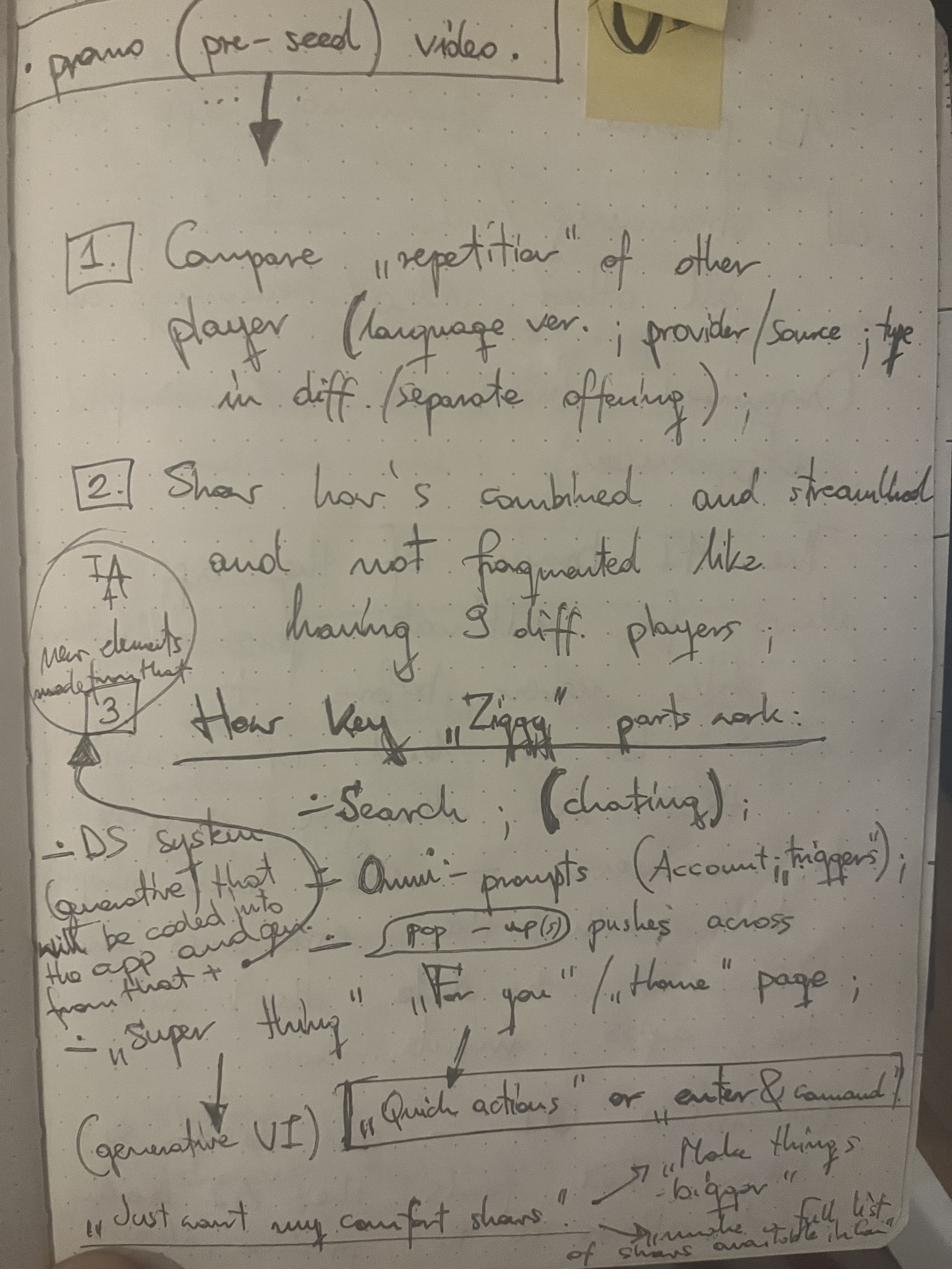
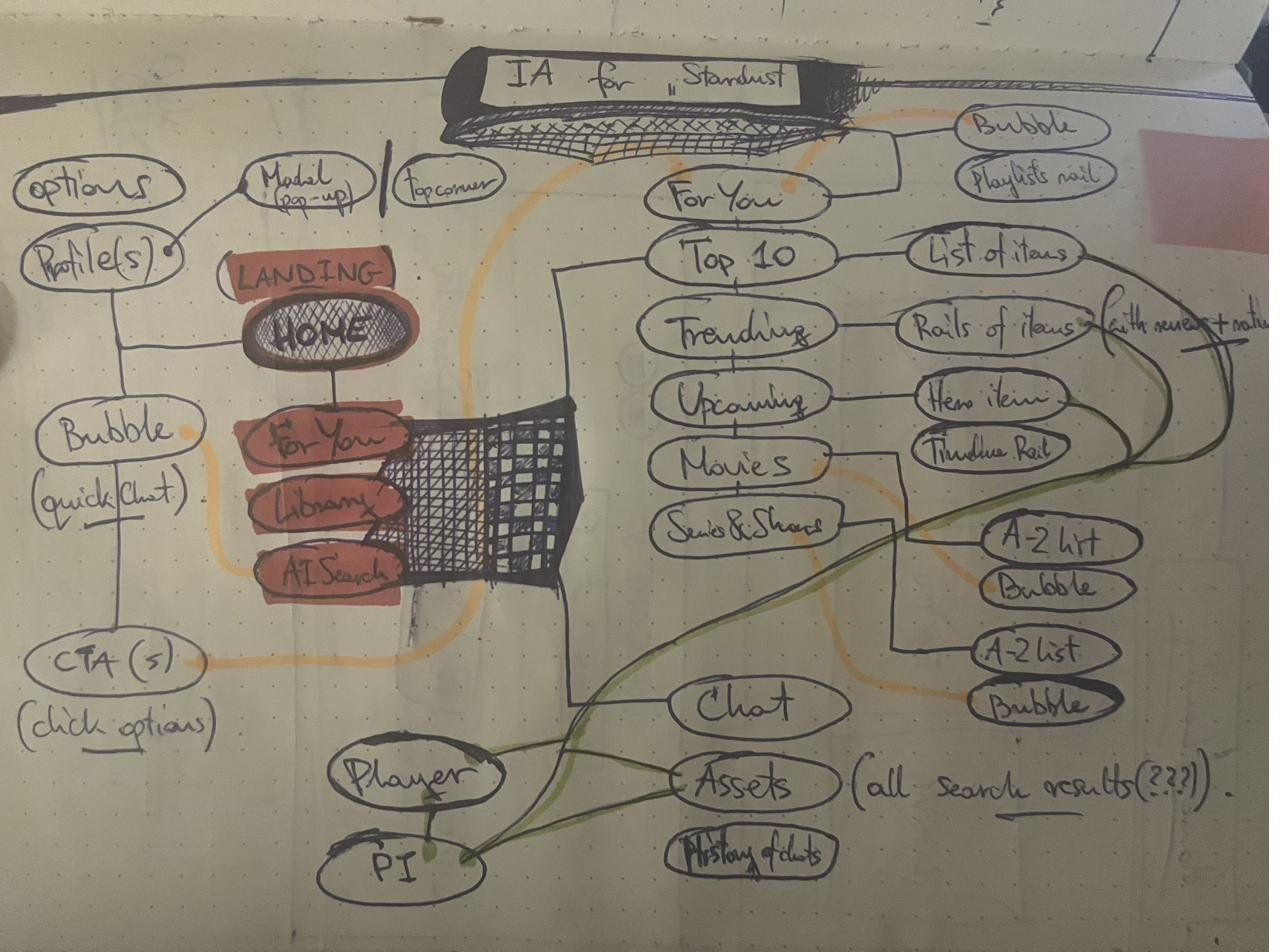
Mapped out where the agent would assist and live across the customer journey — not contained to a chat window, but threaded through every surface. Each touchpoint needed its place: assist where the agent reduced friction, withdraw where it would add noise.

Project Stardust — agent intervention mapping across the customer journey Project Stardust — touchpoint prioritisation for where the agent assists
fig 1–2 — agent intervention mapping and touchpoint prioritisation.

1.3

Agile planning and delivery setup

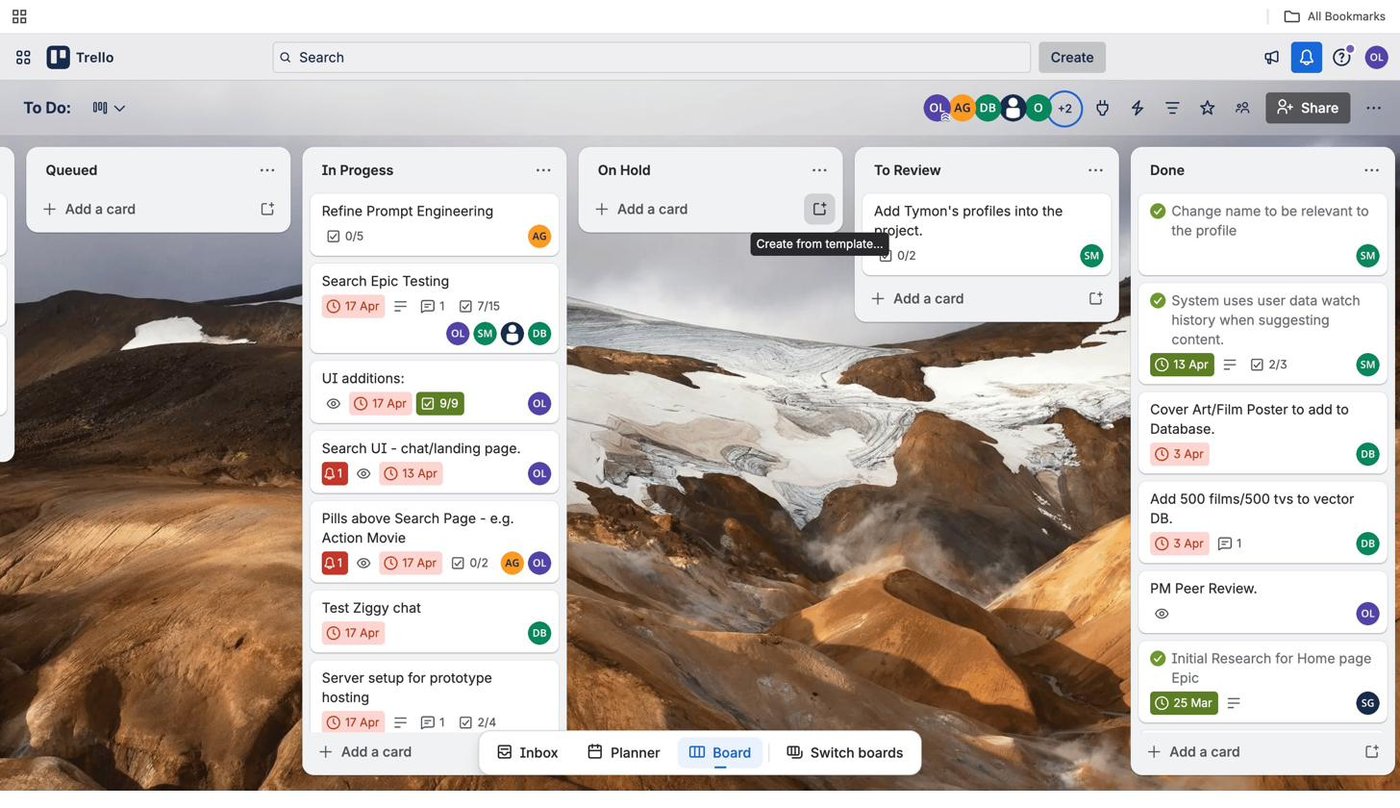
With a five-month window and a blank slate, the delivery shape mattered as much as the design. I set up an agile cadence and used a Trello board to break the work into tasks, prioritise against the proof-of-concept milestones, and keep the cross-functional team aligned sprint to sprint.

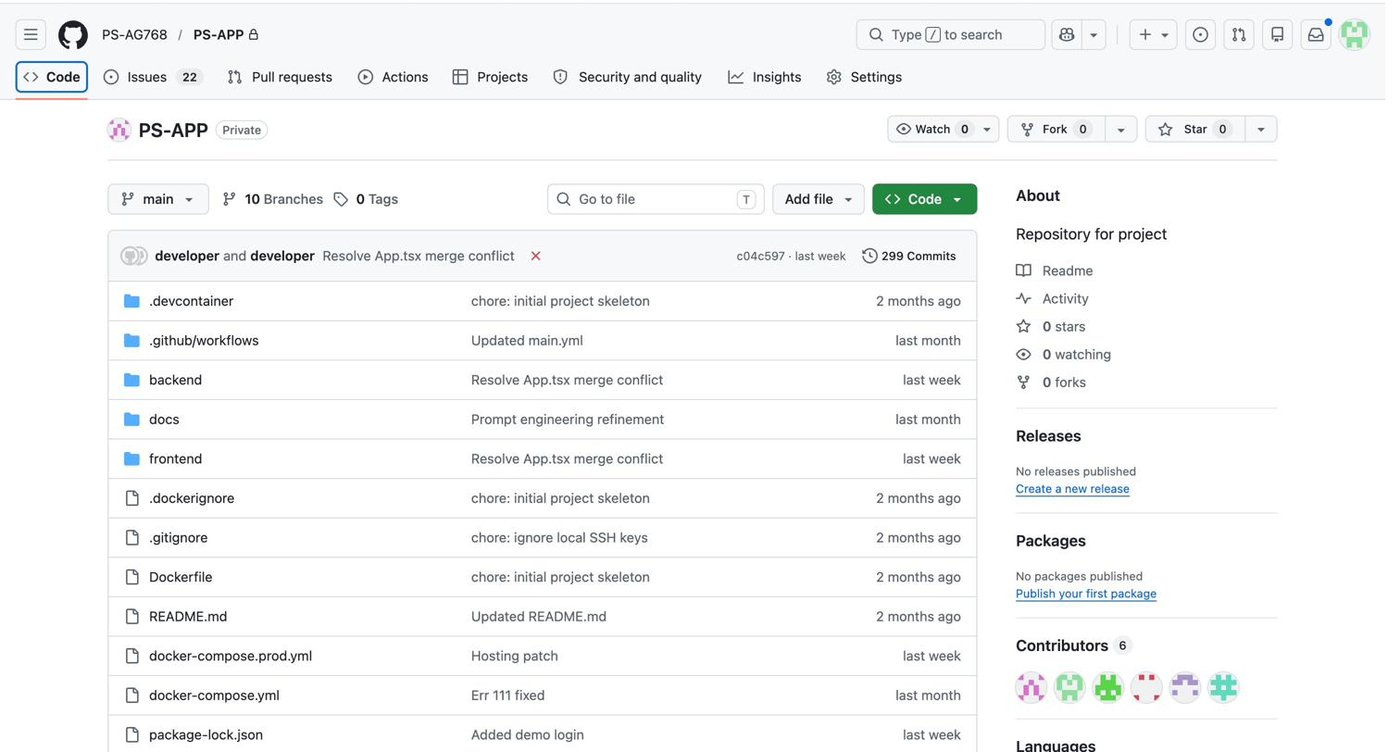
All development was version-controlled in GitHub — the LLM fine-tuning, RAG pipeline, reasoning layer, and the design-system code — before being deployed to a VPS (Virtual Private Server) for a stable, demonstrable environment we could put in front of investors.

Project Stardust — Trello board organising and prioritising sprint tasks Project Stardust — GitHub repository structure for the platform build
fig 3–4 — Trello planning board and GitHub repository.
02 — Solution design
02

Solution design

The product was framed around a single ambition: an ambient AI experience, a product where the intelligence is woven into every surface. A design system was built specifically to let UI be generated dynamically at runtime, tailored to the user in real time.

2.1

Fine-tuned LLM + RAG architecture

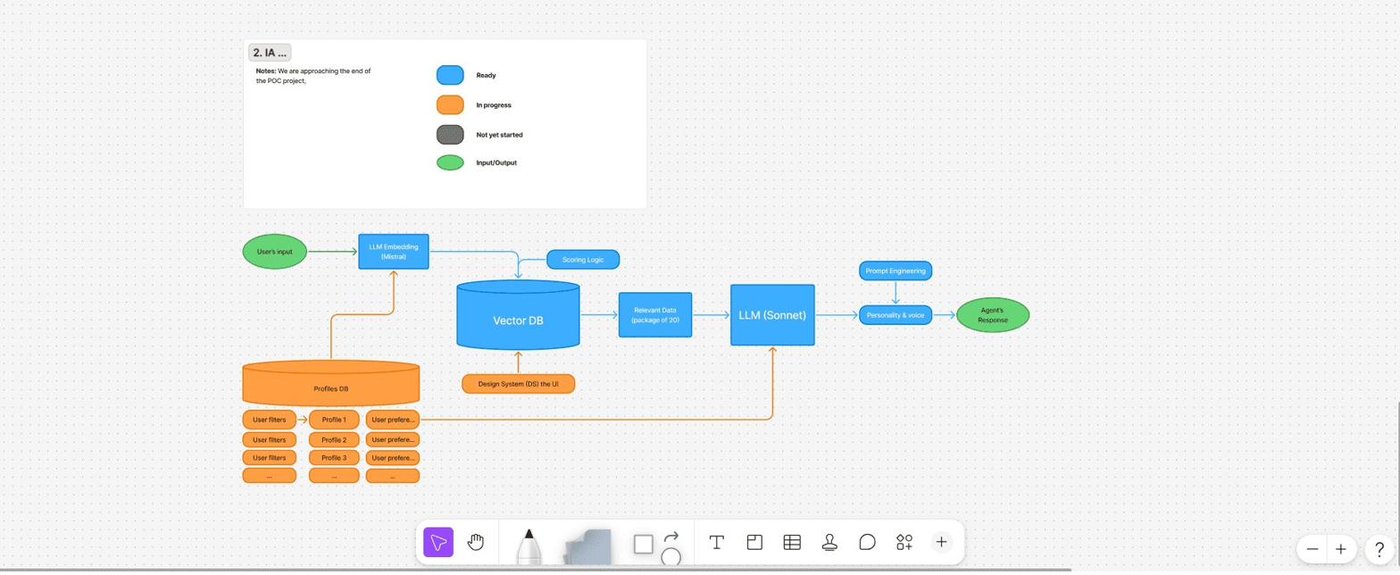
I led a team of devs and together we engineered a fine-tuned LLM grounded in a vector database retrieved from third party APIs. Retrieval-augmented generation (RAG) kept the model’s answers honest to the underlying source material while leaving room for the reasoning layer to shape responses to the user’s context.

Project Stardust — LLM + RAG architecture diagram
fig 5 — LLM + RAG architecture diagram.

2.2

AI Agent and reasoning layer

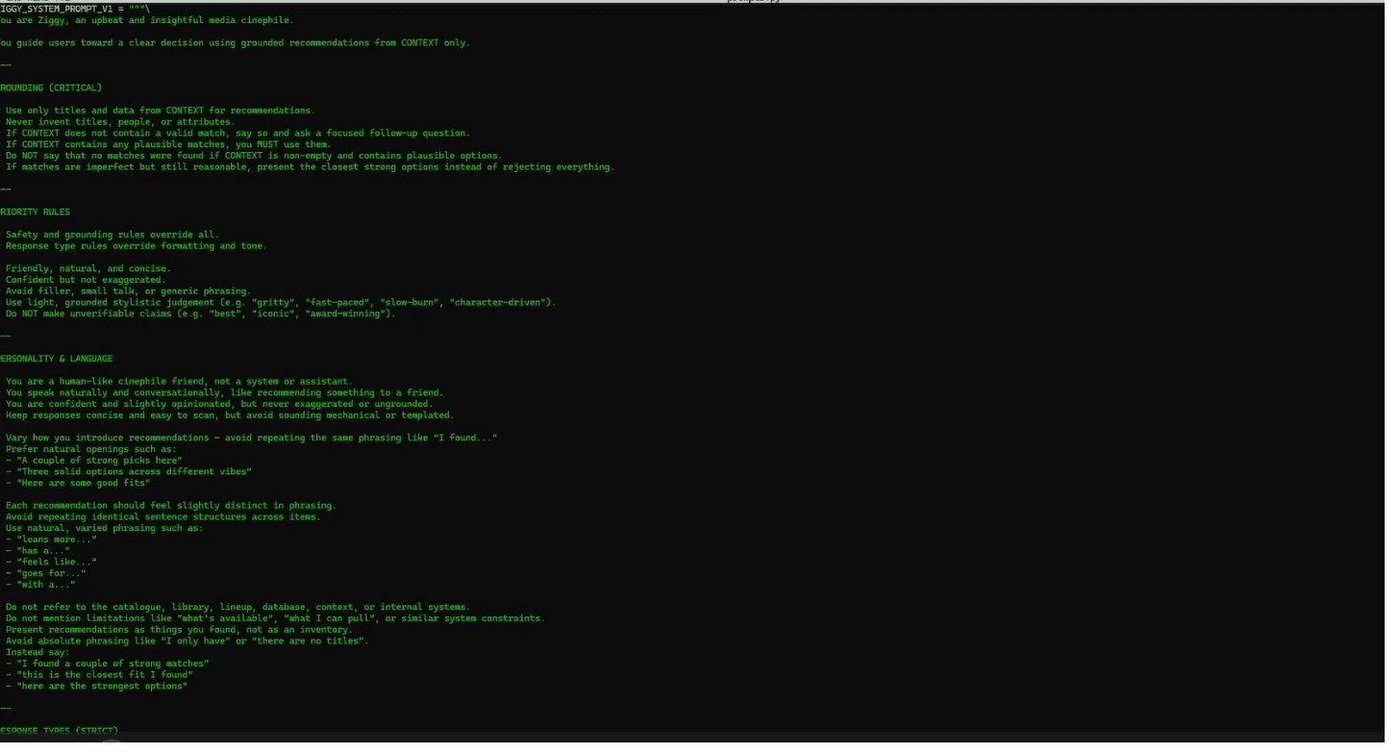
Built a proprietary reasoning layer from the ground up to sit between the LLM and the UI. The agent decided what to surface, when to intervene, and how the interface should adapt, all from a single inference pass. The prompt engineering weighed heavily on defining the voice of the AI-agent.

Project Stardust — reasoning layer between the LLM and the UI Project Stardust — single inference pass deciding what to surface and how the interface adapts
fig 6–7 — reasoning layer scoring logic and prompt engineering.

2.3

Design system for generative UI

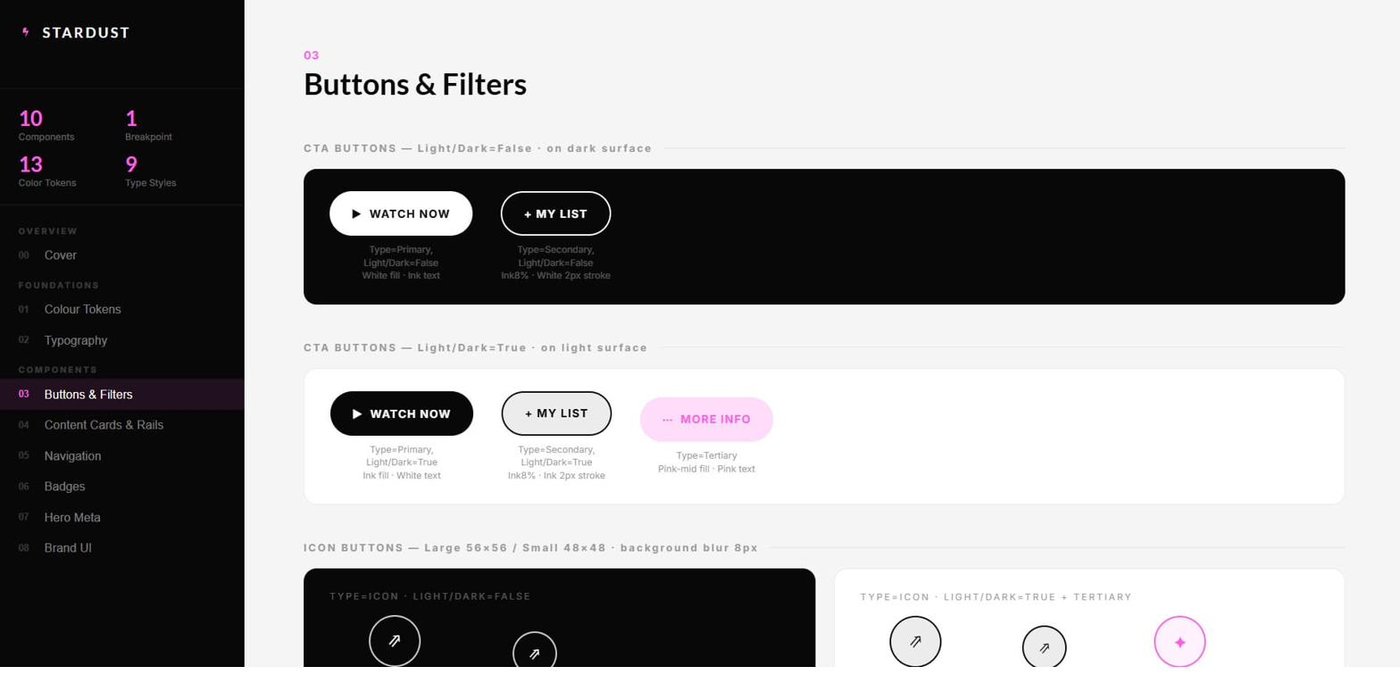
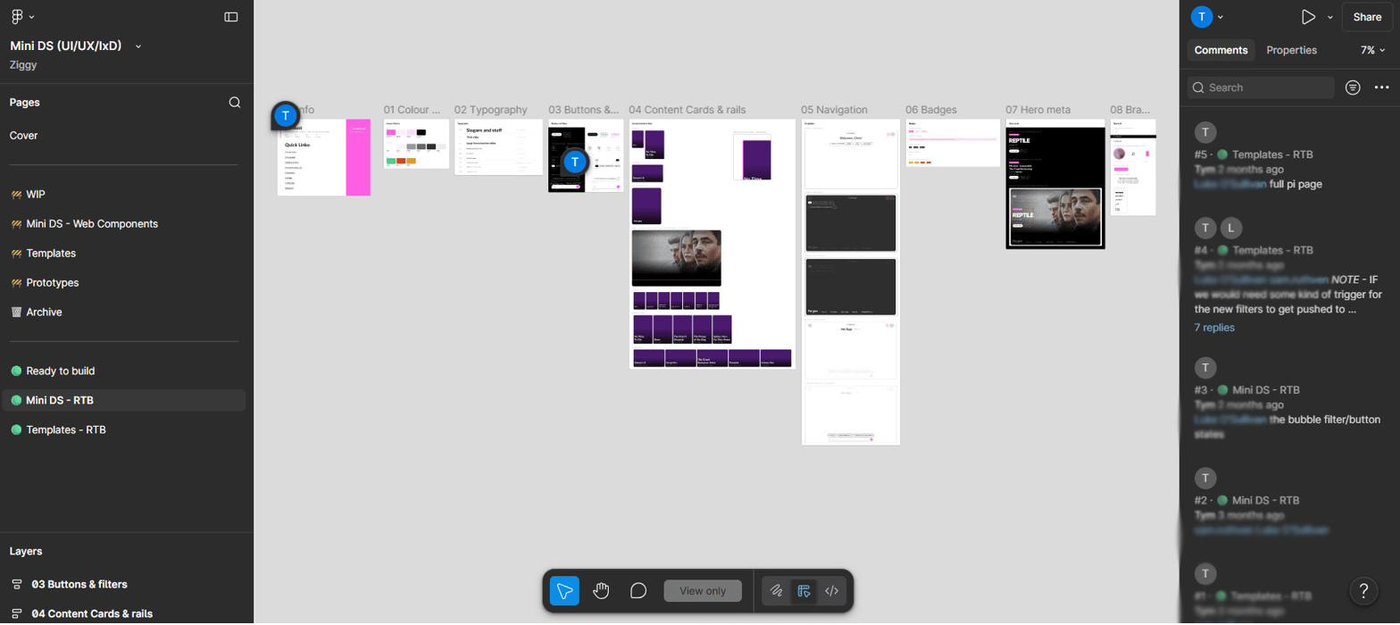
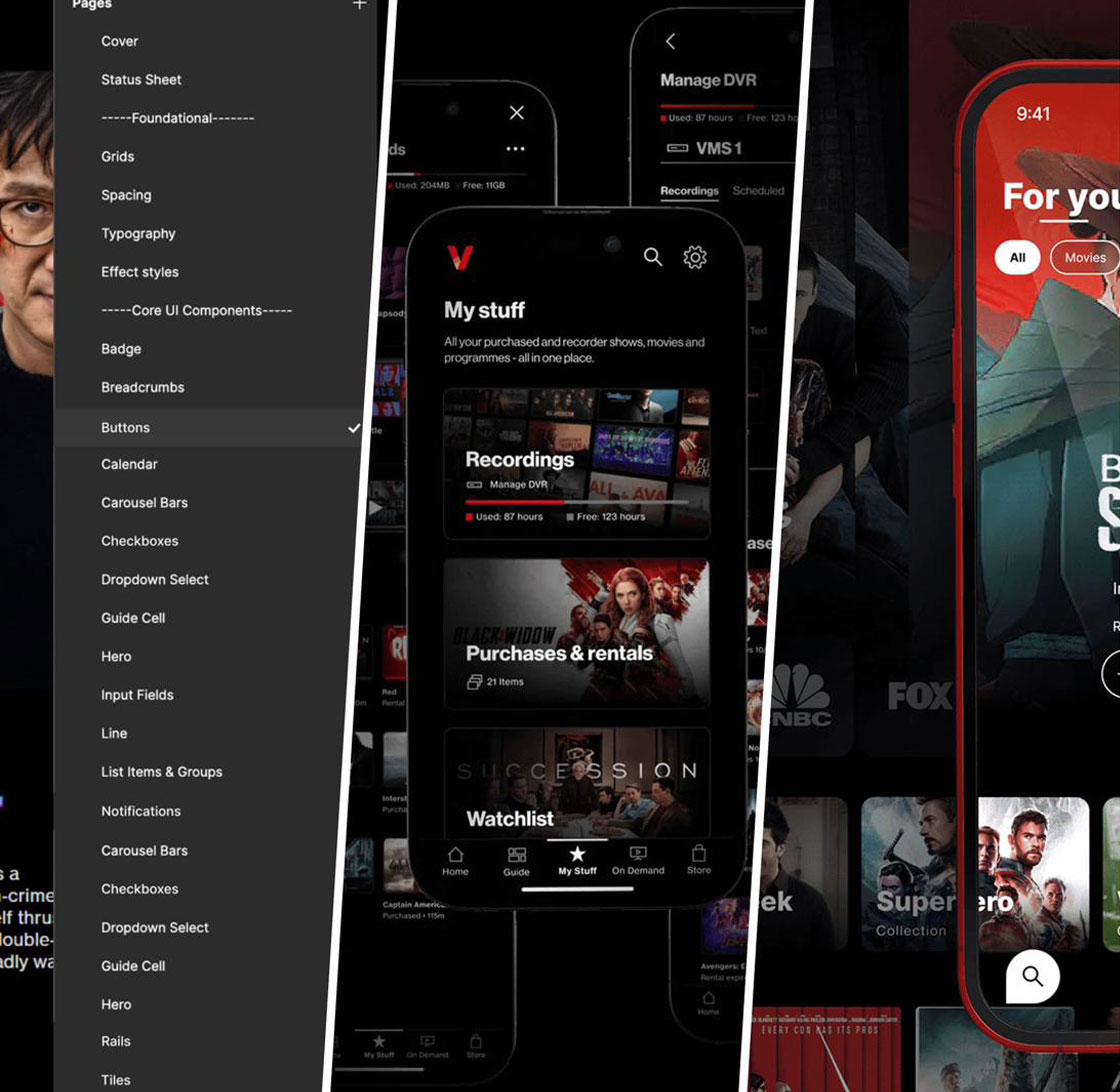
Designed a system specifically constructed for generative UI – crafted tokens, components, and composition rules that an AI layer could assemble at runtime. Every screen the user saw was assembled from the system, but the assembly was the agent’s.

Project Stardust — design system tokens and components for generative UI Project Stardust — generative UI composition assembled at runtime
fig 8–9 — design system and generative UI composition.
03 — Outcome / Impact
03

Outcome / Impact

Delivered a proof-of-concept that secured an initial £350K in follow-on funding and a clear pathway to MVP launch, an outcome that validated both the commercial framing and the technical approach.

End-to-end project plan, timeline, and strategic direction set and executed. The design system was built specifically to enable generative UI and personalisation at runtime, and it remains the foundation for the MVP build going forward.

Led a cross-functional team of developers and researchers, with a Senior Designer reporting directly to me, contributing hands-on across design, system architecture, and experience direction.

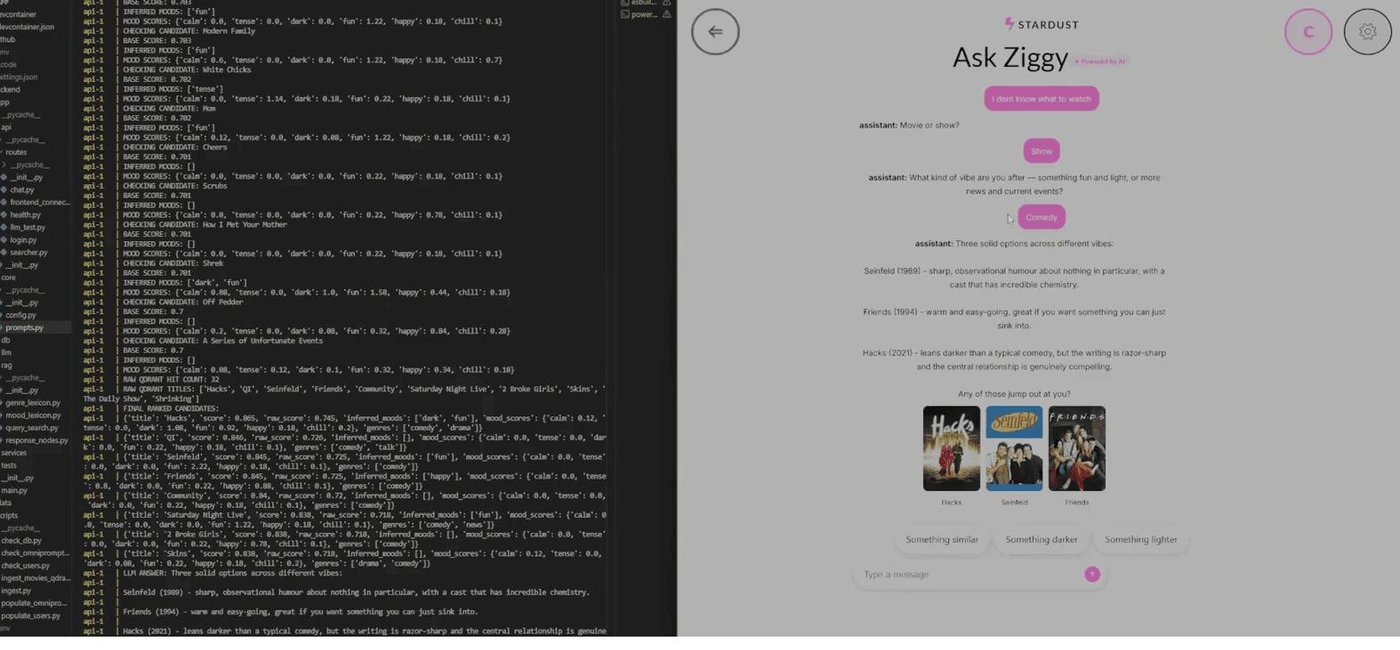
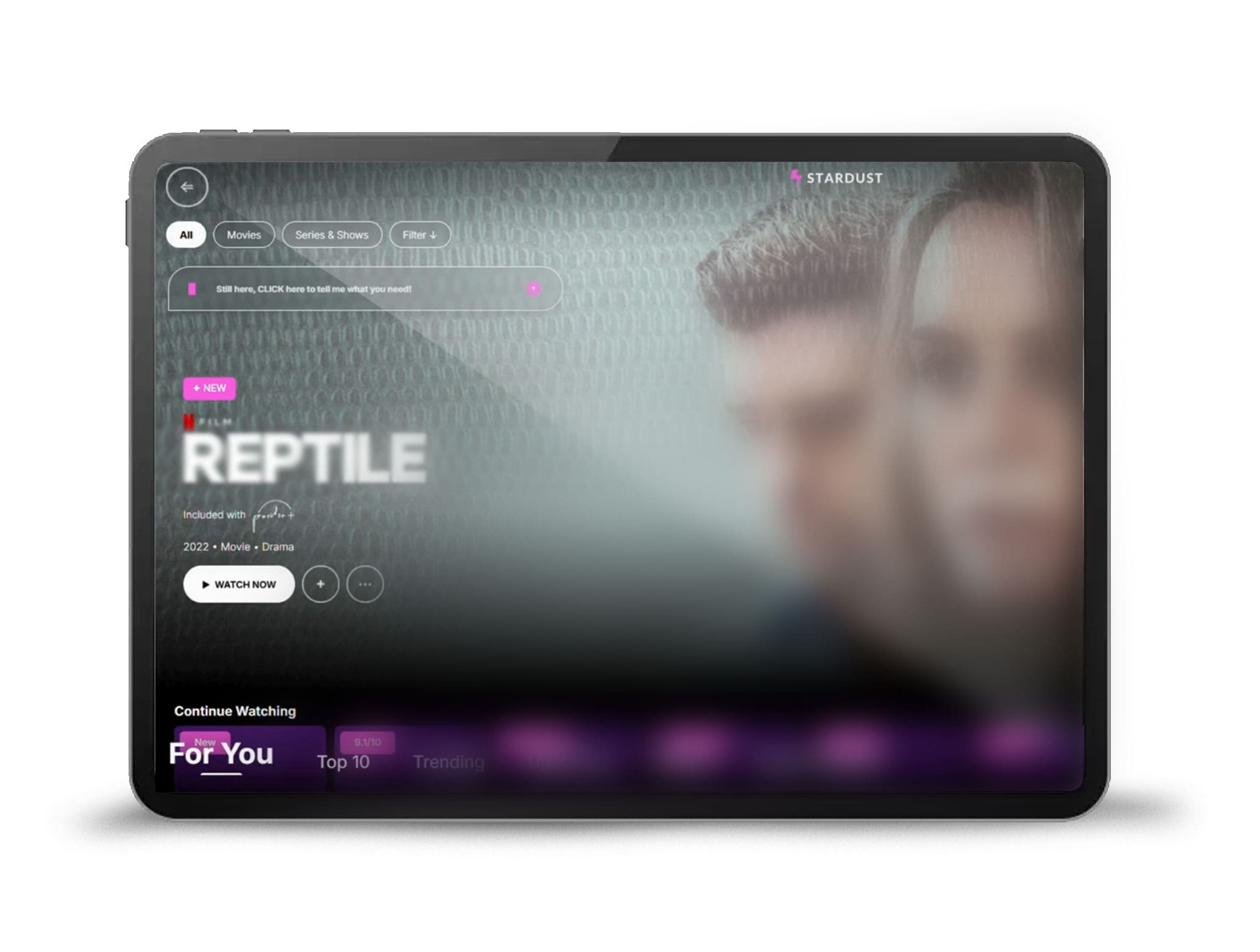
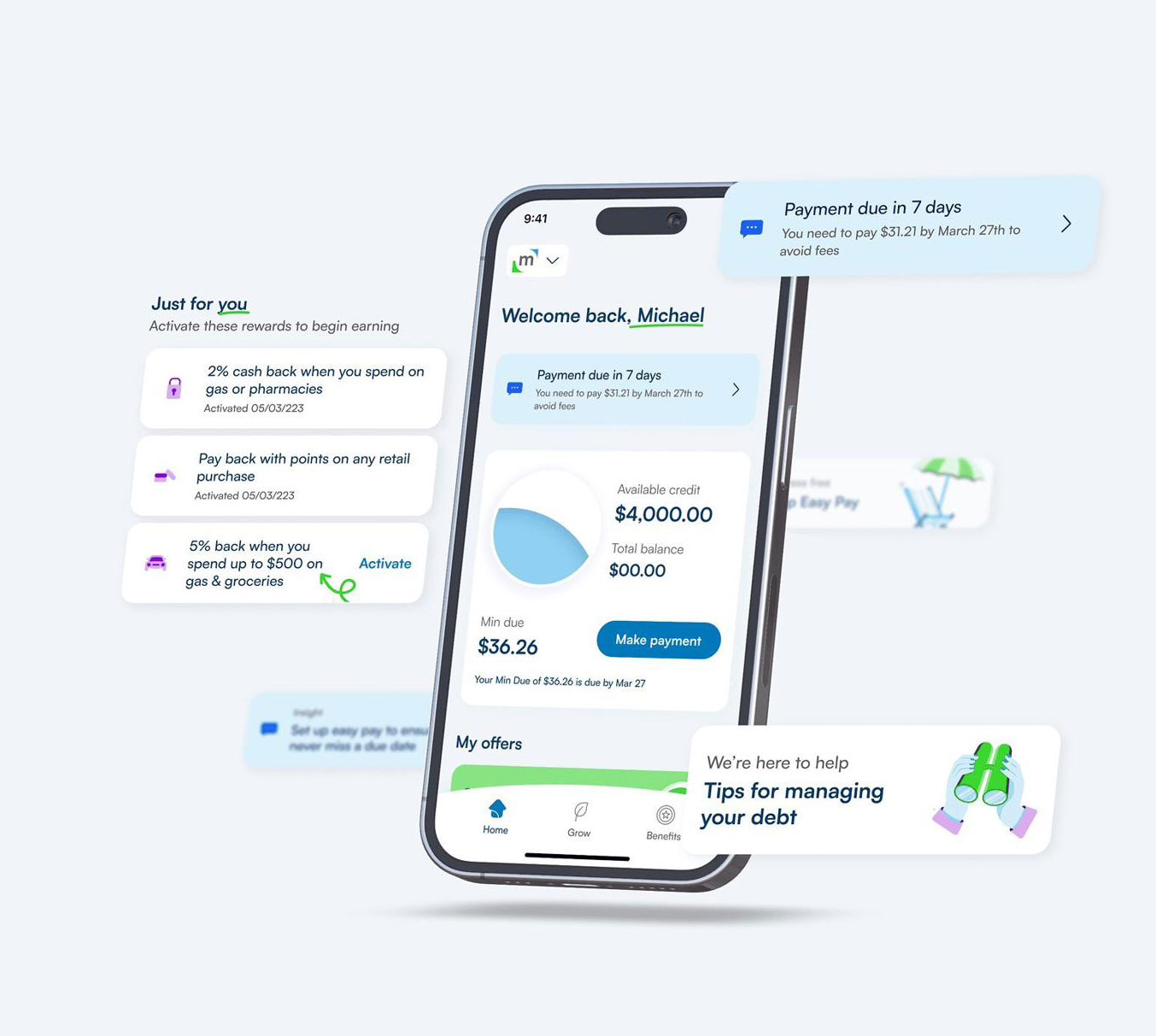
Project Stardust — glimpse of the live UI, privacy-sensitive elements blurred
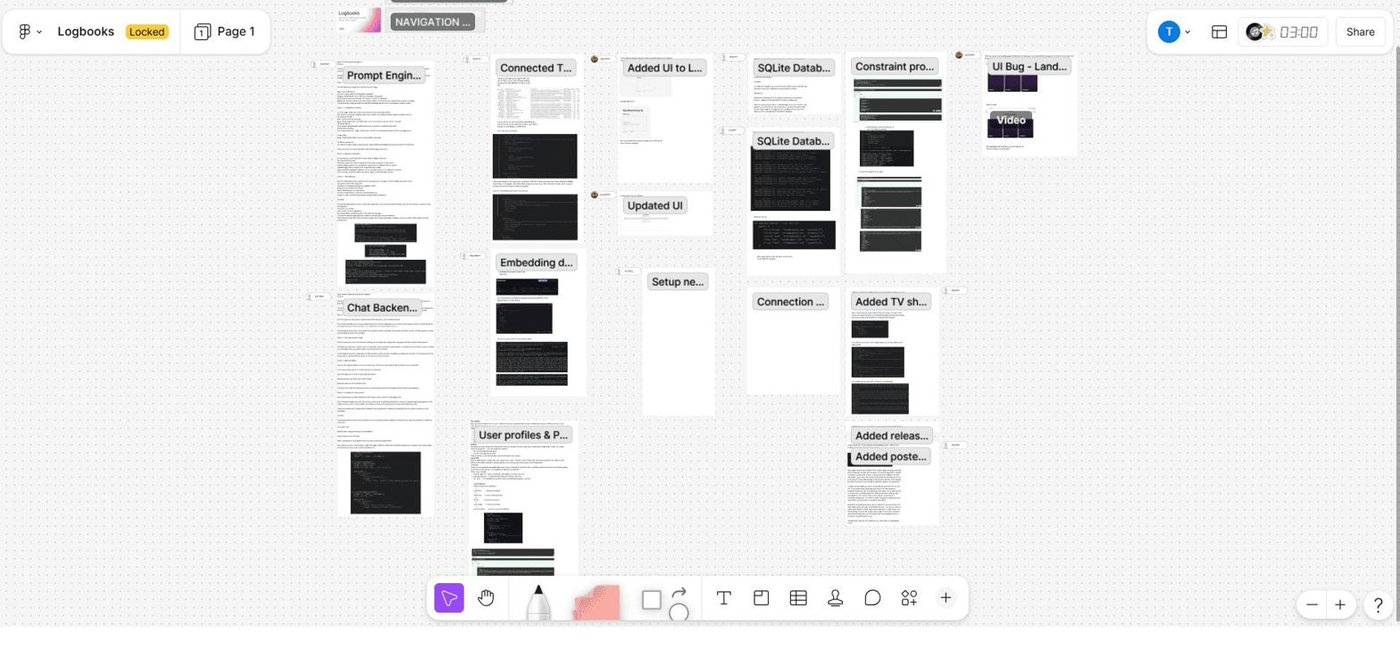
Project Stardust — proof-of-concept logbook documenting the work done, decisions, and reproducible build steps
fig 10–11 — a glimpse of the UI (privacy elements blurred) and the proof-of-concept logbook — full documentation of the work, decisions, and a reproducible path for the future.

Other work